
The old punk with the skull flag
Published in STERN & GO Magazine
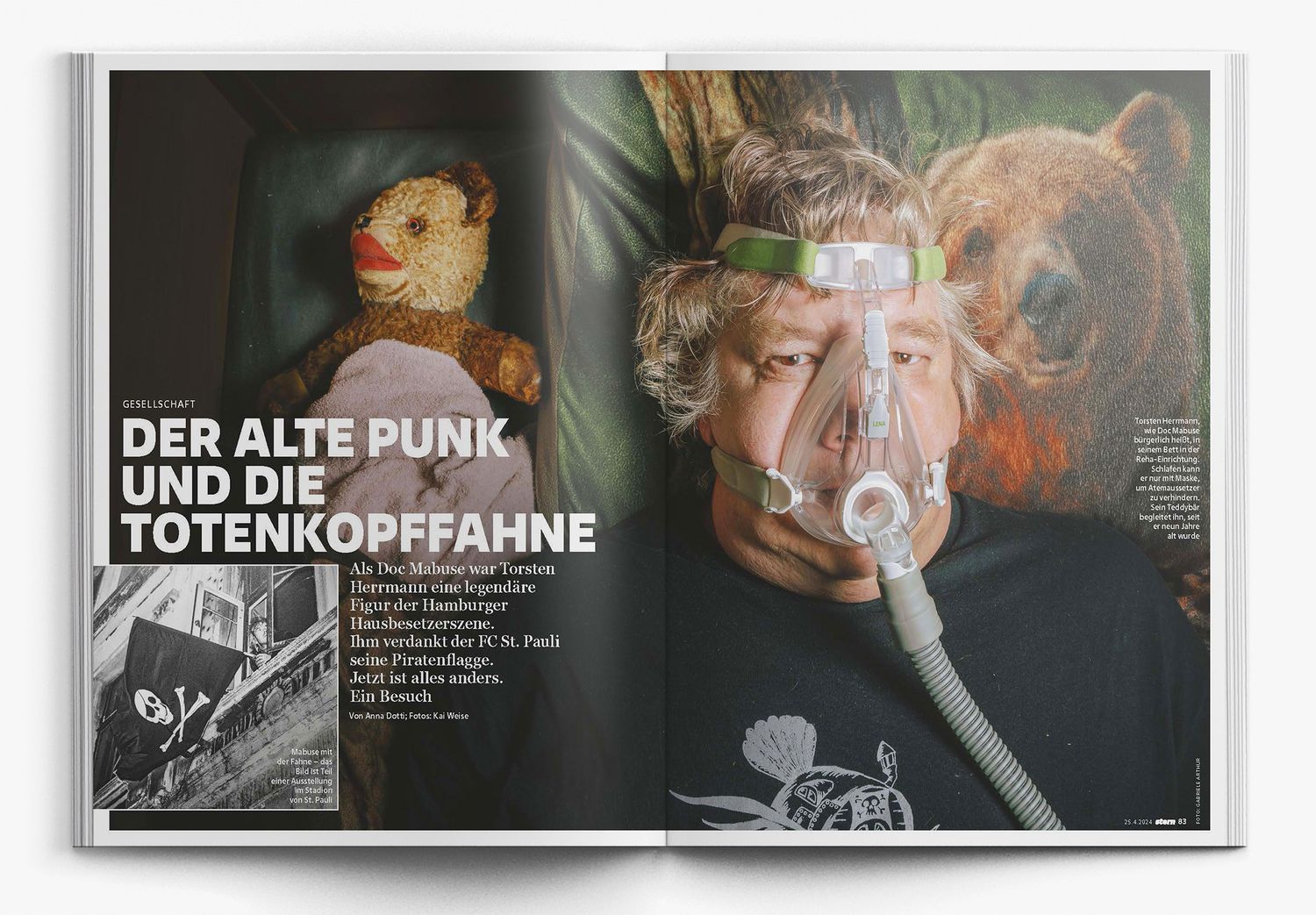
In the 1980s, a political conflict reached its peak in Hamburg, reflecting the highly political and tense situation throughout the country. This conflict culminated in years of squatting and street fighting between squatters and the Hamburg police. One of the central figures was Doc Mabuse. The son of a plumber and a housewife, he fought behind burning barricades against the state, capitalists, and the enemy par excellence: “the cops.” At the same time, soccer fan Mabuse brought the skull and crossbones flag to the St. Pauli stadium for the first time.
The skull quickly spread among the club's supporters and is now known internationally among soccer fans as a symbol against fascism and, for St. Pauli, of left-wing alternative political views. Thirty-five years later, 64-year-old Torsten Hermann, as Mabuse is known by his real name, lives in a rehabilitation facility about an hour outside of St. Pauli. He struggles with obesity and sleep apnea, is a recovering alcoholic and former cannabis user.
This is the story of a man who fought against the system with the message “Fuck the system” and is now being kept afloat by that very same system. How does a punk age?
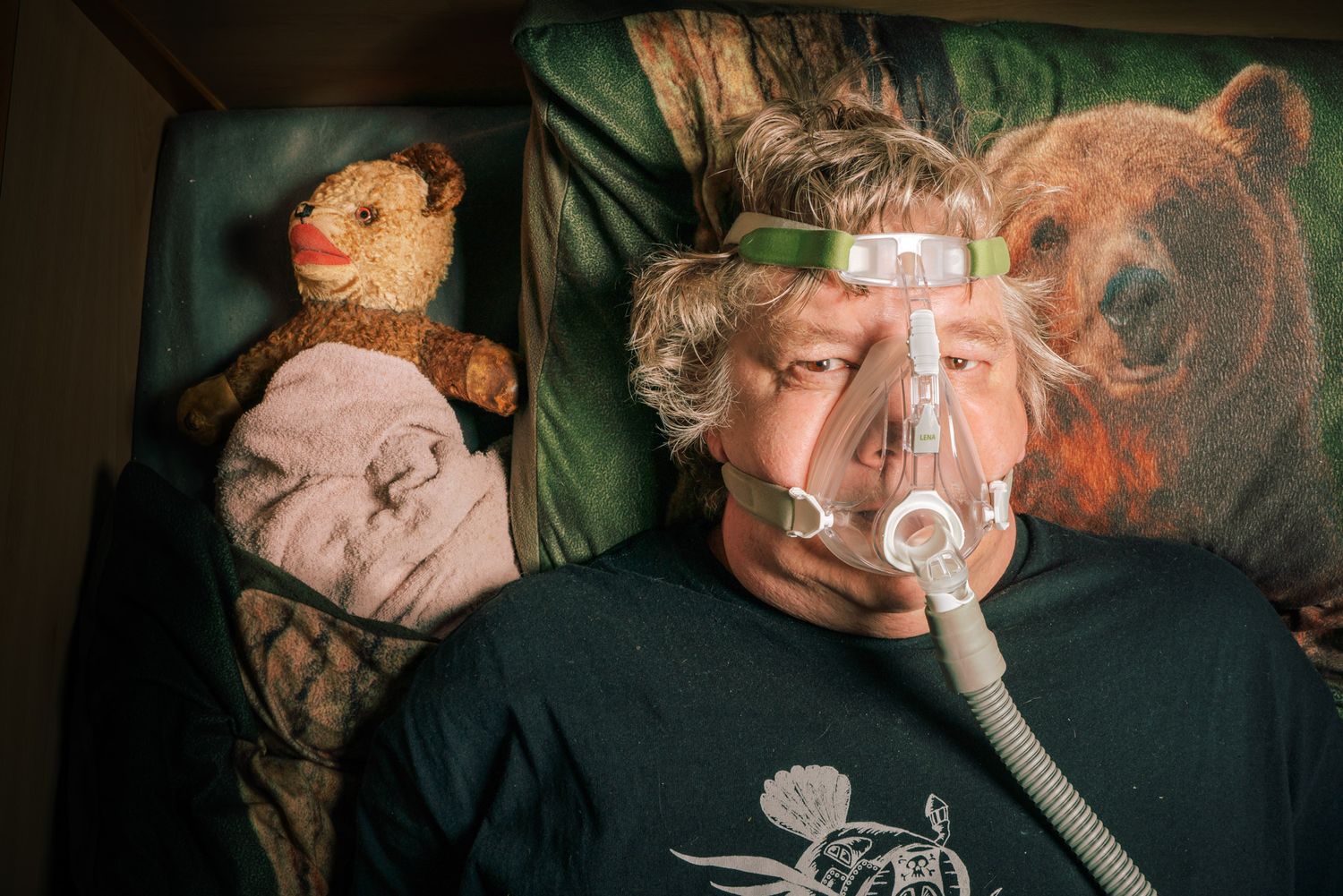
Torsten Hermann (punk name Doc Mabuse), 64, in his bed at the care facility in Hamburg Jenfeld. In addition to severe obesity and other illnesses, he suffers from sleep apnea and can only sleep longer than two hours with a breathing mask without experiencing breathing pauses. He has had his stuffed bear “Pisser” (left) since he was 9 years old; it was his first stuffed animal.
The story of an aging Hamburg legend.
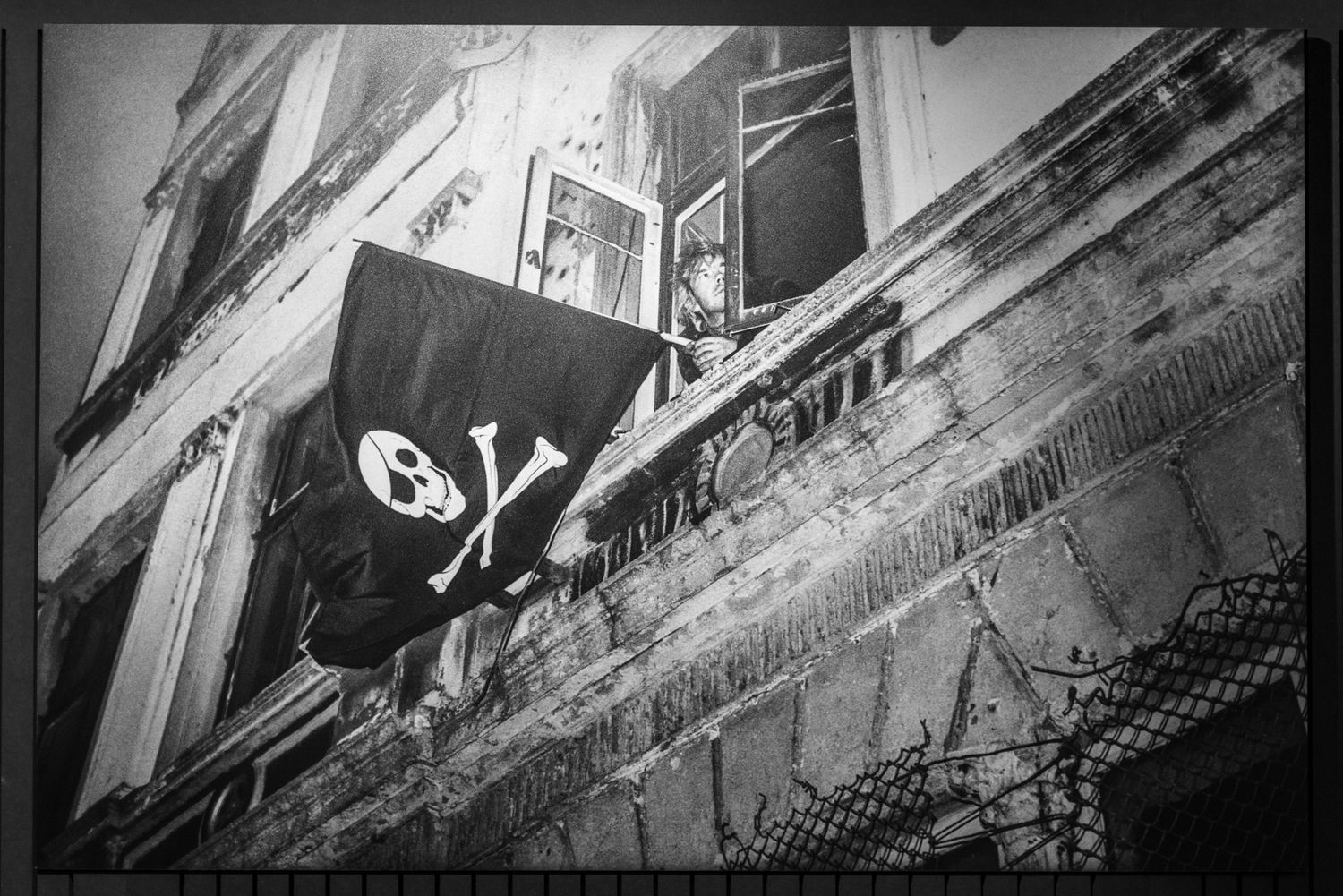
Many years ago, Mabuse was the first to bring the skull flag into the St. Pauli stadium. Since then, the skull has been recognized as the symbol of the Hamburg football club. Today, the photo of Mabuse waving the flag from the window of an occupied house on Hafenstraße hangs in the St. Pauli Football Club museum.
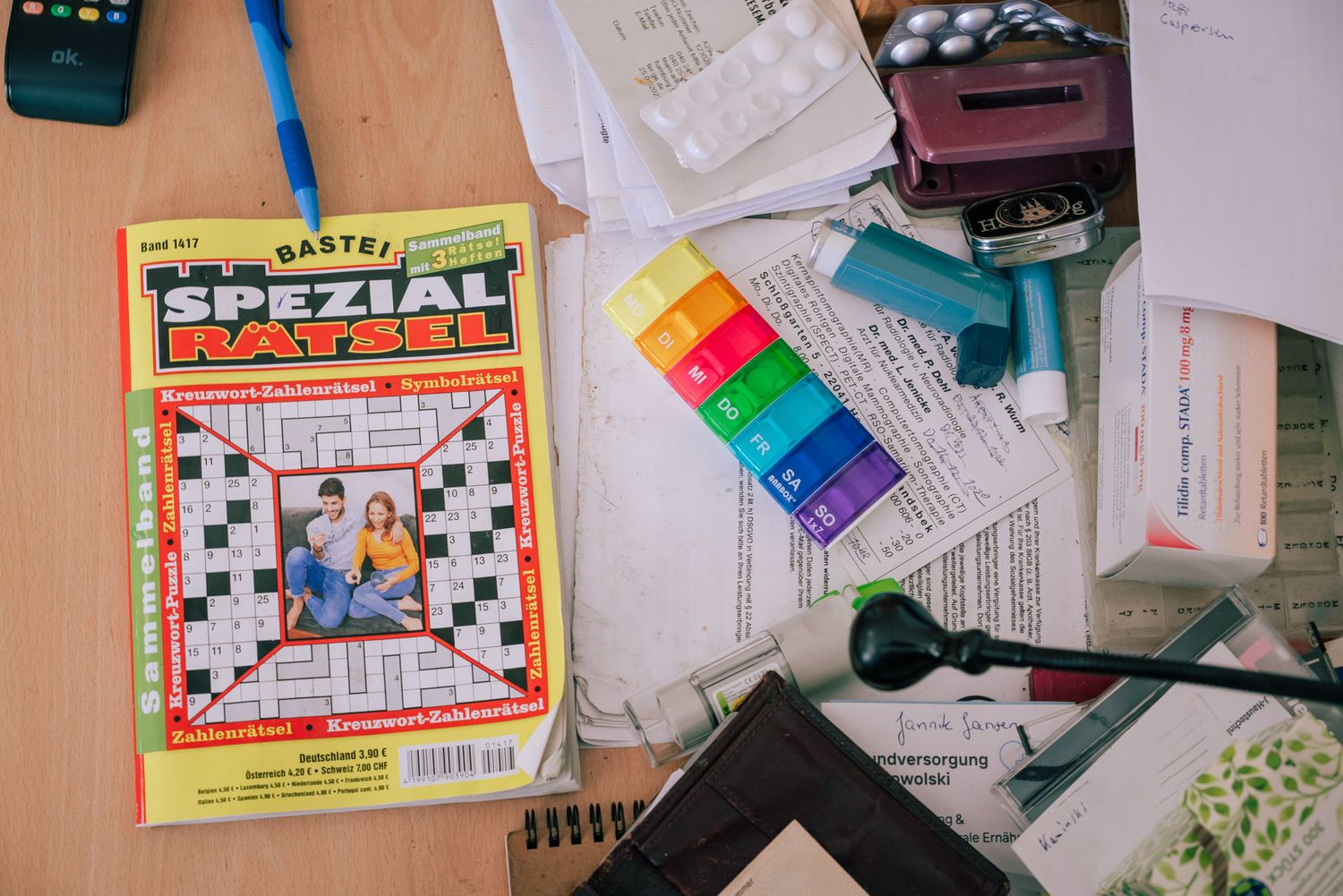
Today, Thorsten gets through the day only with painkillers, his inhaler, and a breathing mask. To pass the abundant free time, he plays Sudoku and sometimes watches football. On the table, letters from his doctors and mementos of his old life are stacked.
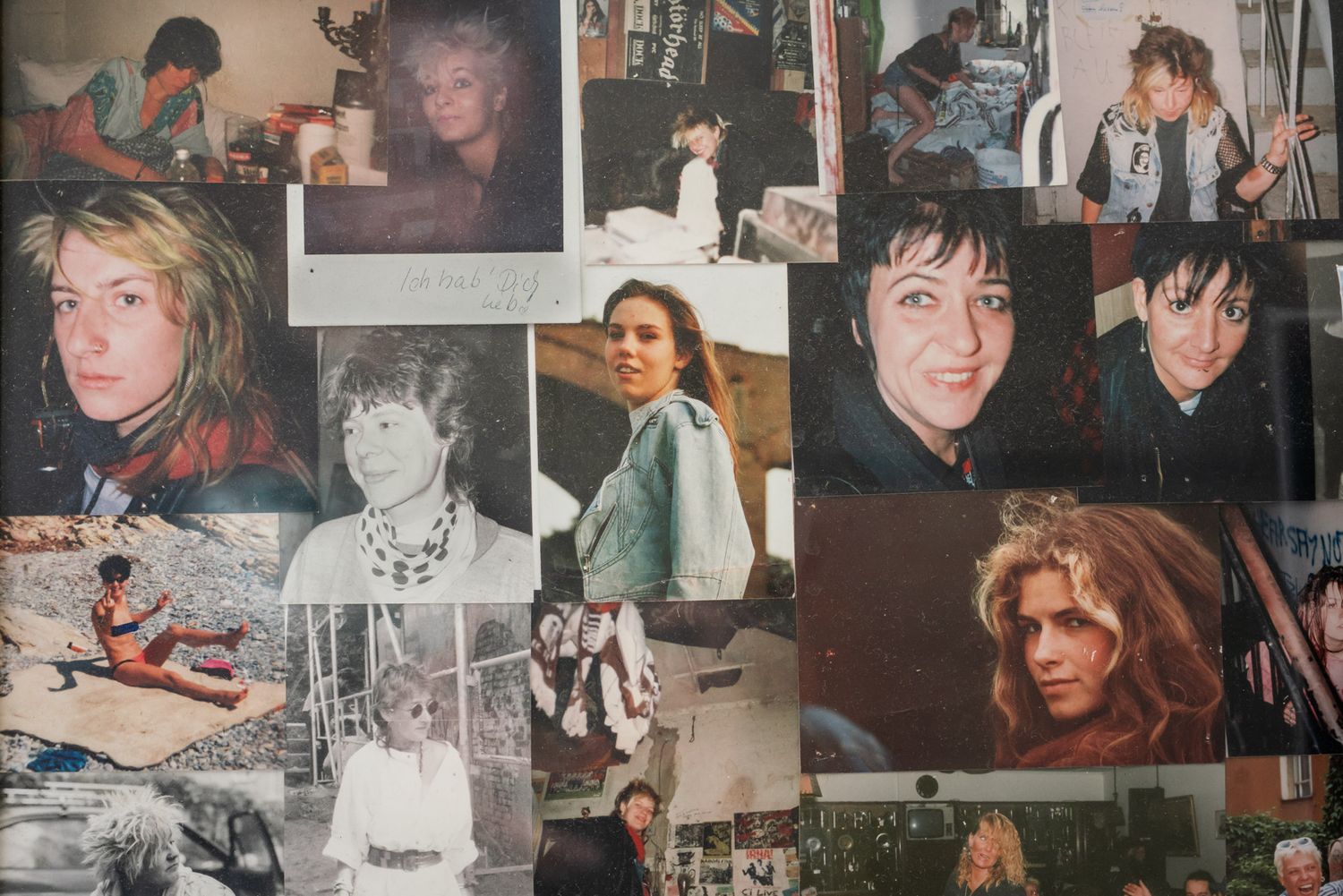
The “Ladies’ Gallery” stands framed on Mabuse’s windowsill. Here, he collects memories of some of the women who have accompanied him throughout his life.
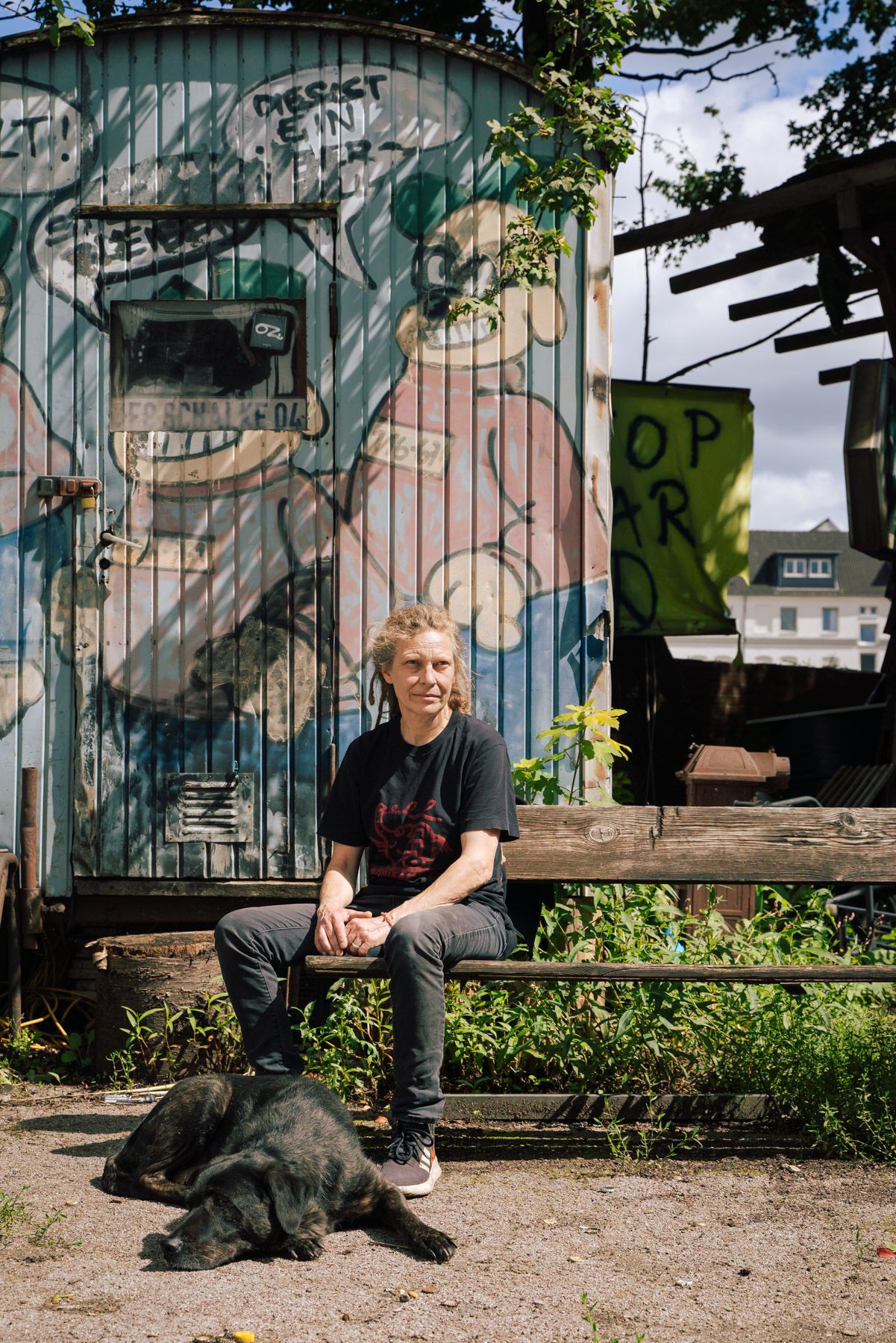
Gabi M., 56, lives with her husband Dirk at the Gaußplatz trailer park. She has been friends with Mabuse for over 30 years and caught him stealing from the community fund of the trailer park. Gabi and Dirk supported Mabuse on his path to therapy and through his relapses into alcohol addiction. The easy access to and open consumption of alcohol among the residents of the trailer park is another reason against Mabuse returning to his former home.
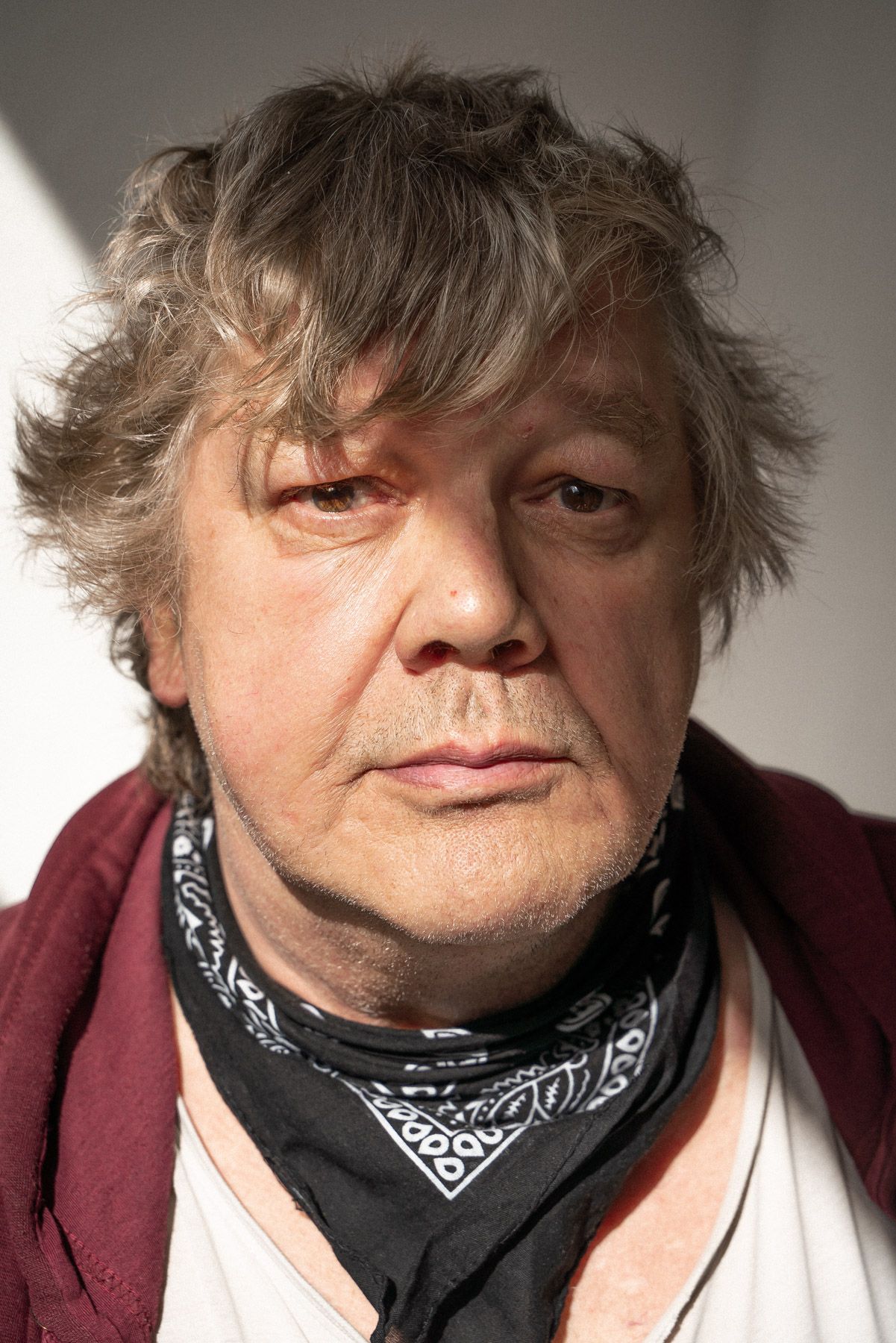
On the balcony of his rehab room, Torsten Hermann smokes while watching football. His daily ritual gives him a sense of stability.
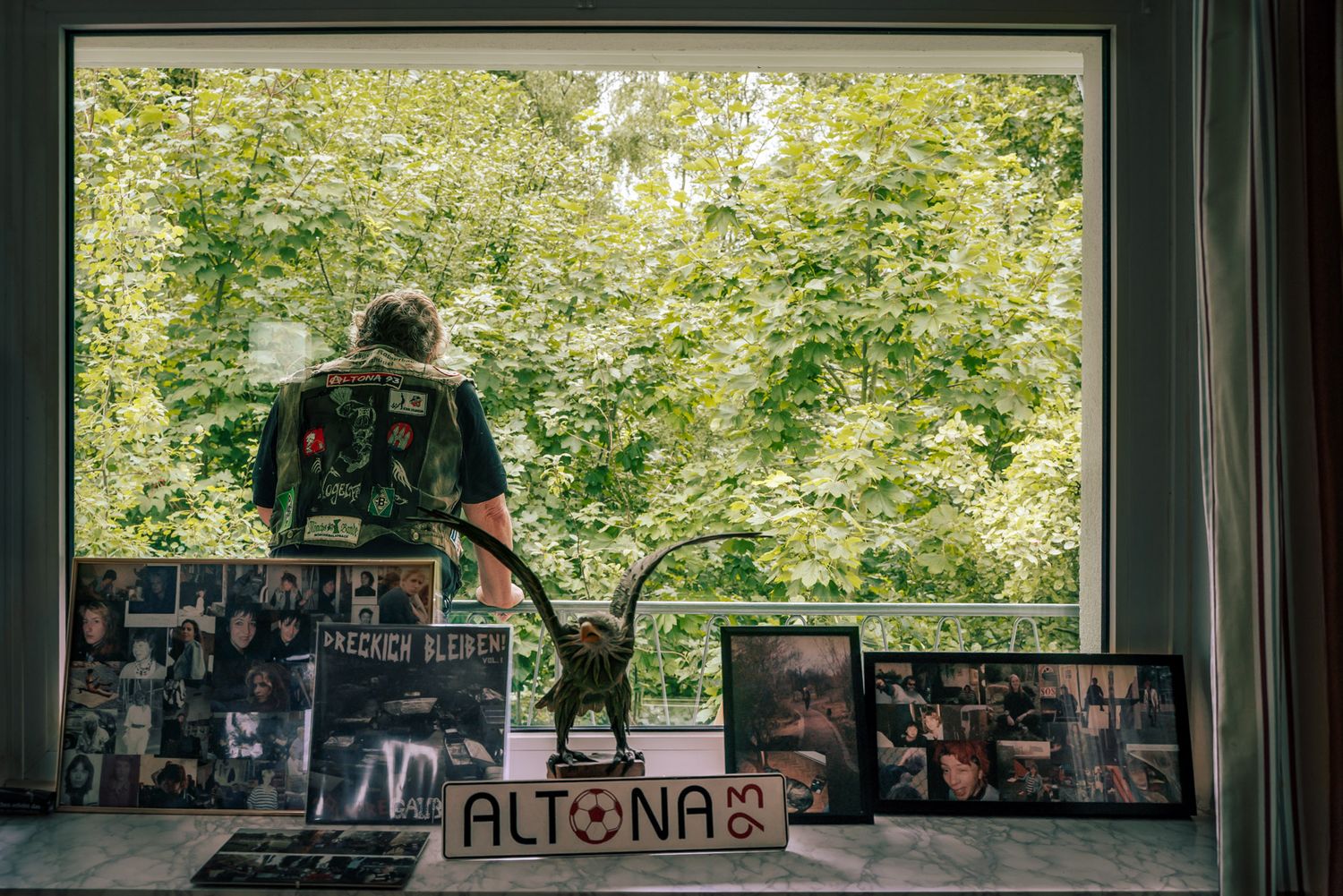
The punk appears out of place in the nature-oriented facility. On his windowsill are mementos from his time in St. Pauli, while on the balcony he looks out over the relaxing greenery.
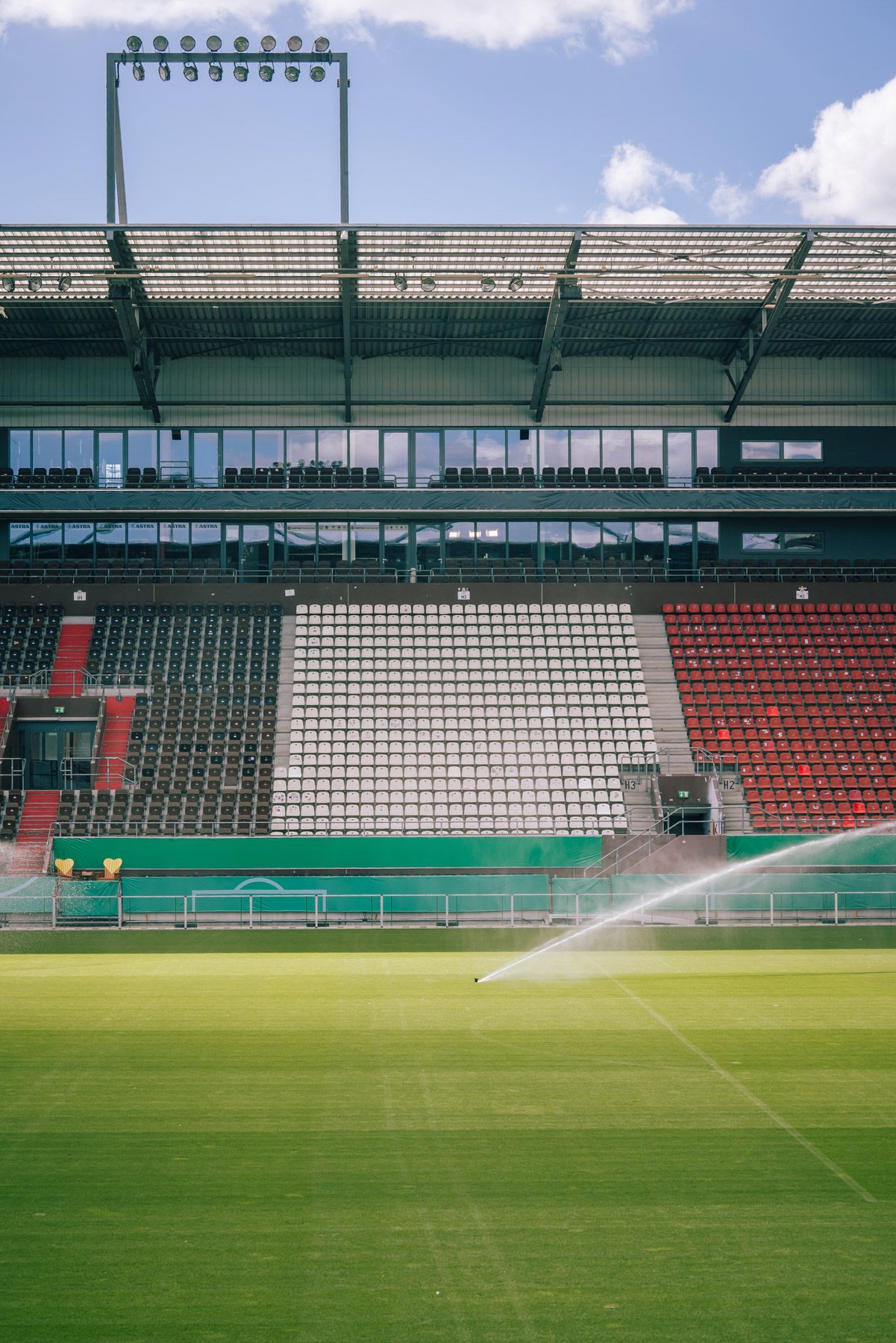
The name “Doc Mabuse” will remain familiar to the residents of St. Pauli for a long time. Whether Torsten Hermann manages to move from the rehab facility into his own apartment remains to be seen. Even if the punk’s body can no longer keep up, his message lives on: “Fuck the system!”—the same system that today provides him a way out of addiction and supports him with basic welfare. His message and the skull flag continue to live on in St. Pauli, a football club that still stands for a left-alternative attitude, even though it is now professionally managed.
“A lot has changed; back then, the players would greet you,” says Mabuse. He identifies less with St. Pauli than he used to.