
Value of Money
for ZEIT Campus
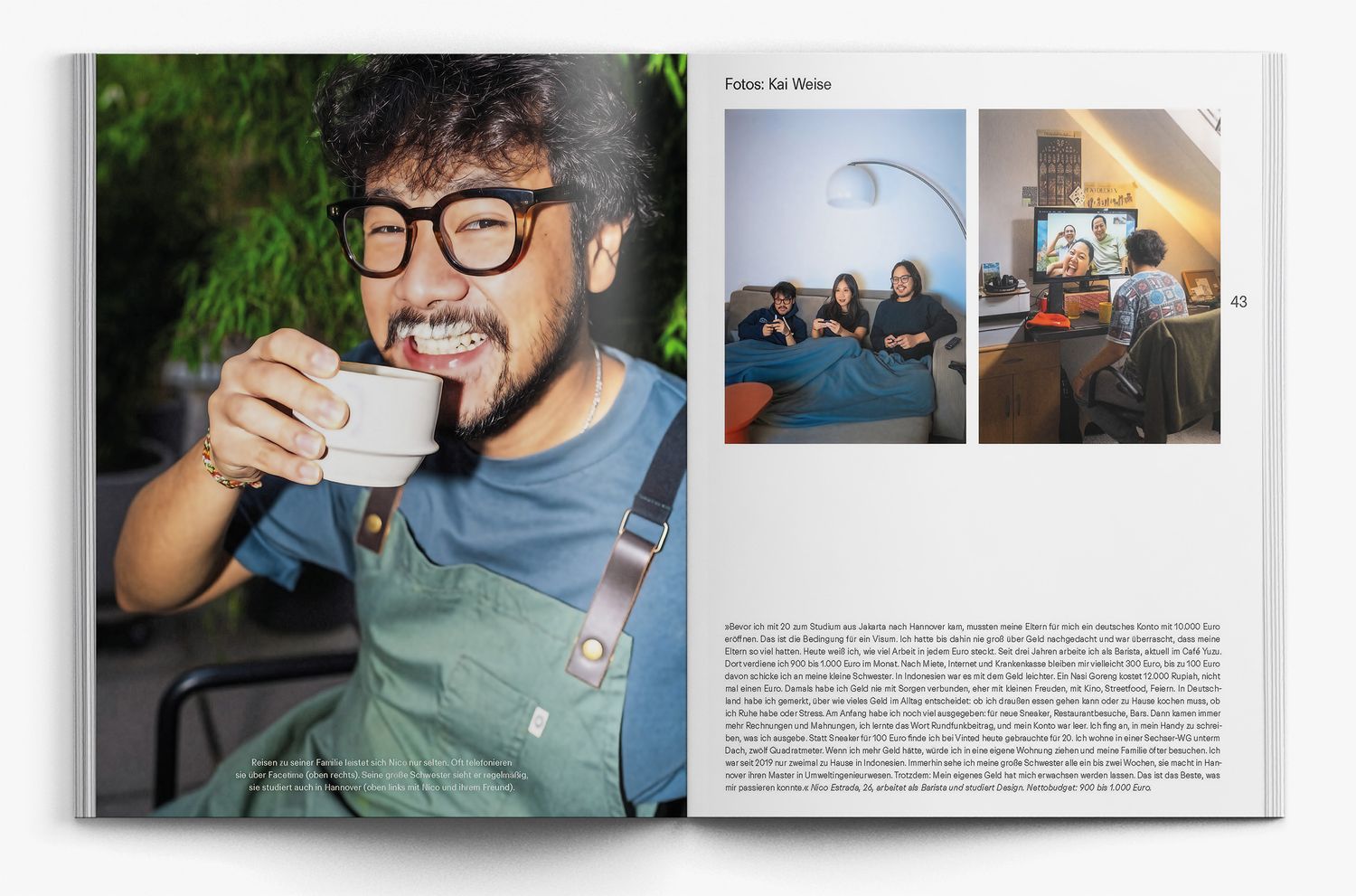
"Before I came to Hanover from Jakarta to study at the age of 20, my parents had to open a German bank account for me with €10,000. That's a requirement for a visa. I had never really thought much about money before and was surprised that my parents had so much. Today, I know how much work goes into every euro. I've been working as a barista for three years, currently at Café Yuzu. I earn between €900 and €1,000 a month there. After paying rent, internet, and health insurance, I have maybe €300 left, up to €100 of which I send to my little sister. Money was easier in Indonesia. A nasi goreng costs 12,000 rupiah, not even one euro. Back then, I never associated money with worries, but rather with small pleasures, such as going to the movies, street food, and parties.
In Germany, I realized how much money determines everyday life: whether I can eat out or have to cook at home, whether I have peace and quiet or stress.
In the beginning, I still spent a lot: on new sneakers, restaurant visits, bars. Then more and more bills and reminders came, I learned the word “Rundfunkbeitrag” (broadcasting license fee), and my account was empty. I started writing down what I spend on my phone. Instead of sneakers for 100 euros, I now find used ones for 20 on Vinted. I live in a six-person shared apartment under the roof, twelve square meters. If I had more money, I would move into my own apartment and visit my family more often. I've only been home to Indonesia twice since 2019. At least I see my big sister every one to two weeks; she's doing her master's in environmental engineering in Hanover. Still, having my own money has made me grow up. That's the best thing that could have happened to me."
Nico Estrada, 26, works as a barista and studies design.
Text by Katharina Meyer zu Eppendorf
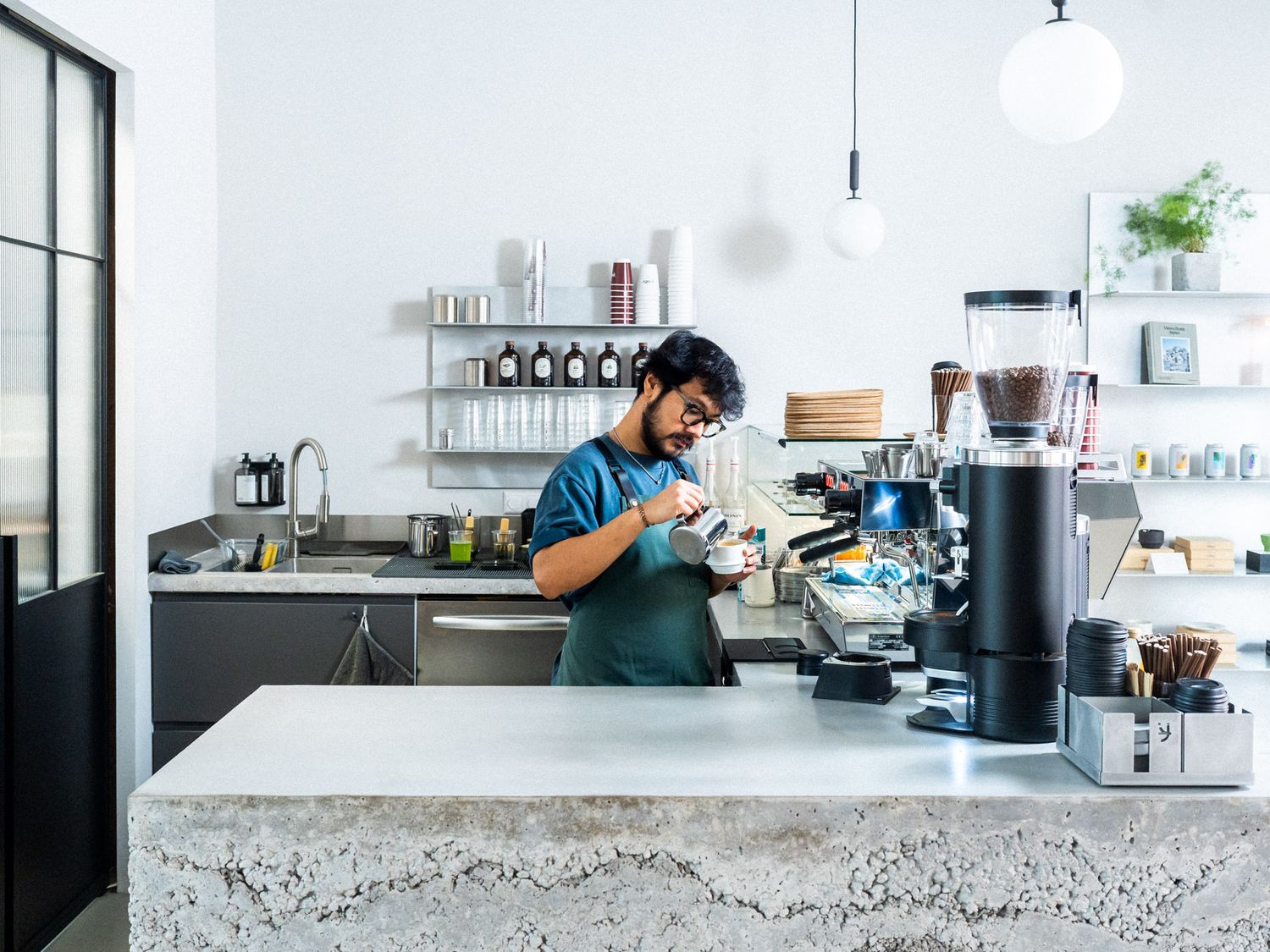
Nico Estrada came to Hanover from Jakarta to study.
In addition to university, he works almost every day behind the espresso machine at Café Yuzu. He earns between €900 and €1,000 per month.
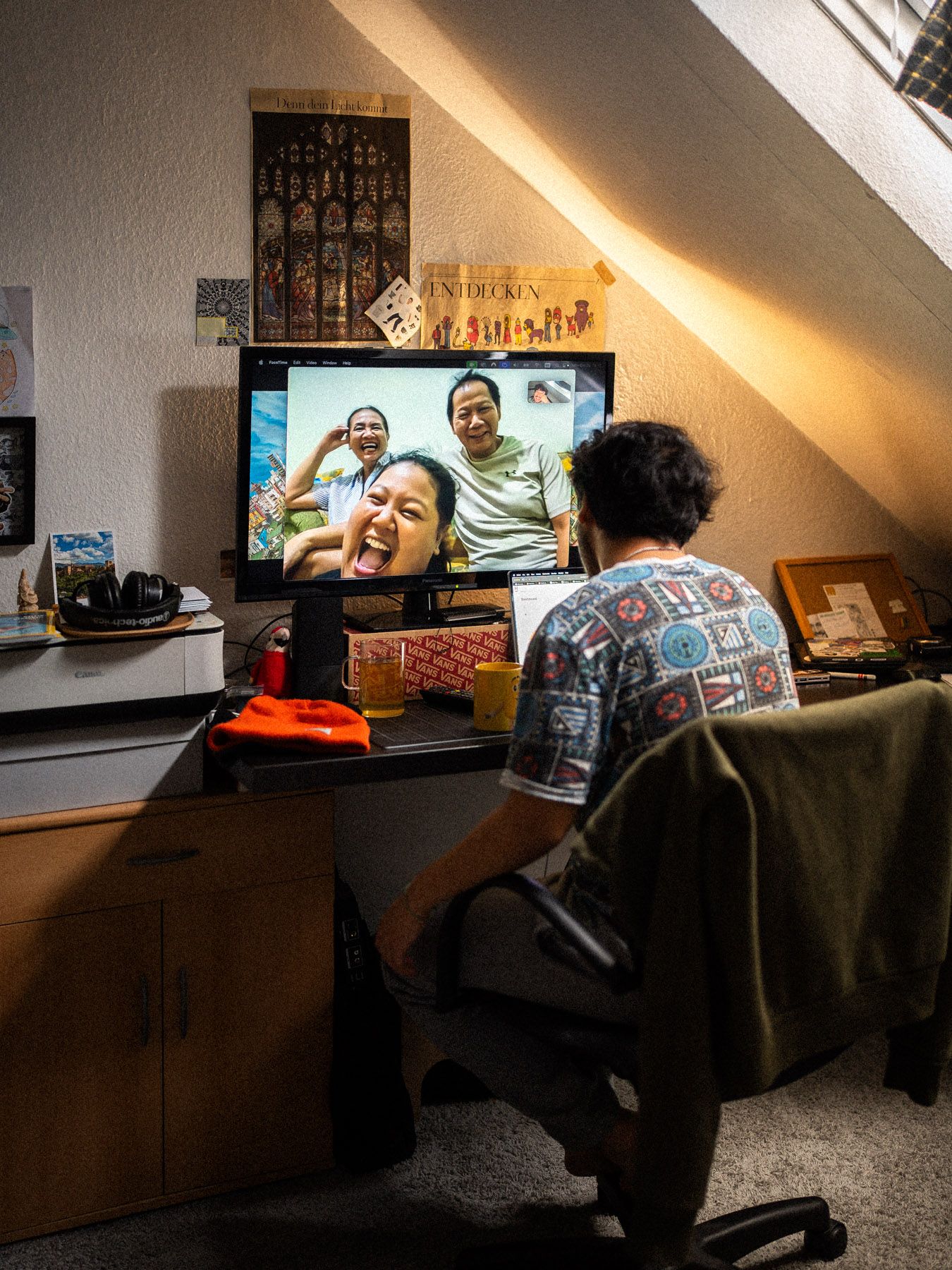
Nico rarely travels to visit his family. He doesn't have enough money. So they often talk on FaceTime.
His little sister (bottom left in the picture) wants to study marine biology in Indonesia.
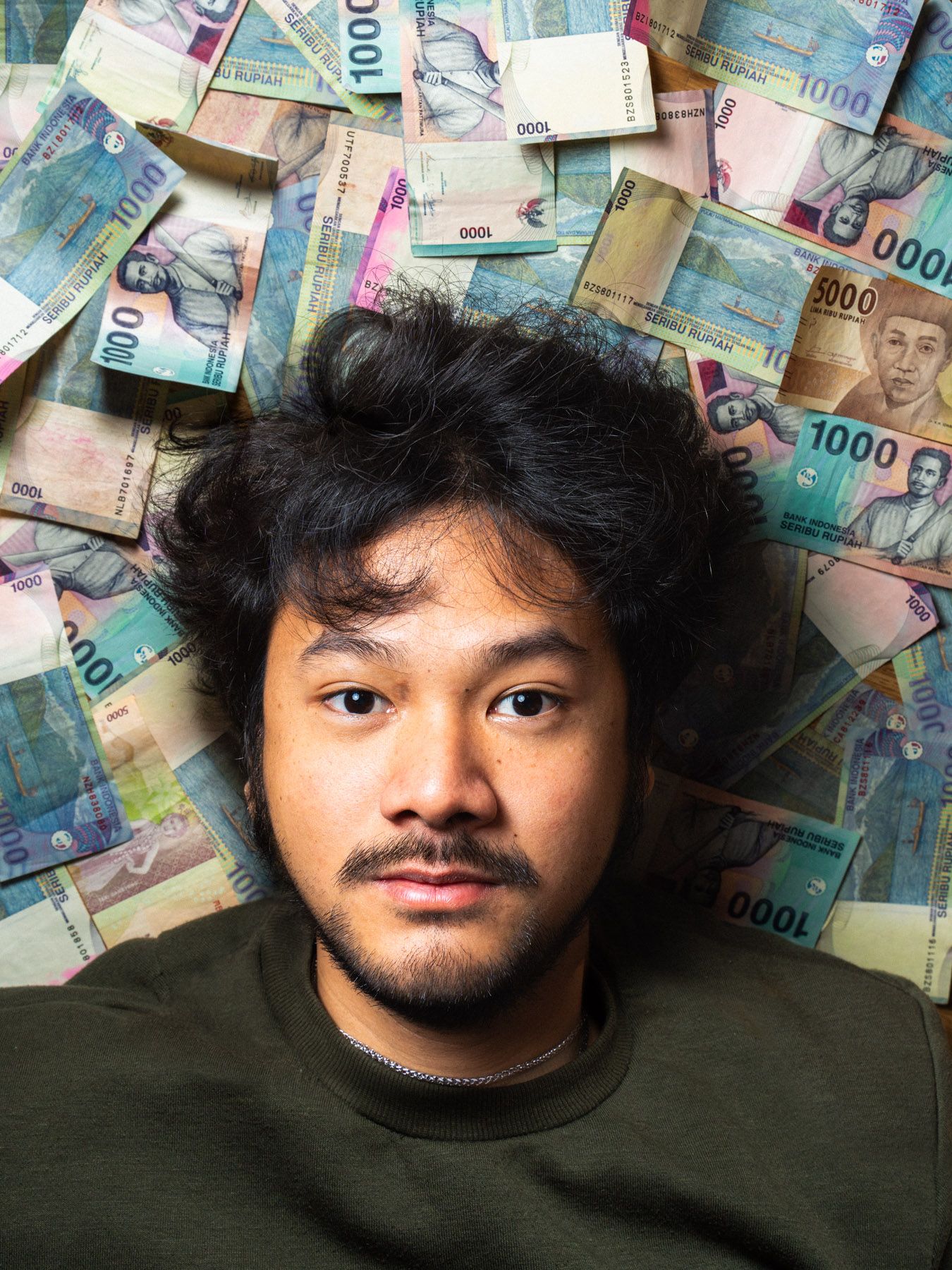
Nico is pictured on 55,000 Indonesian rupiah notes.
In 2025, this will be equivalent to €2.84. In Germany, that's not even enough for a flat white, but in Indonesia, you can buy several street food meals with it.
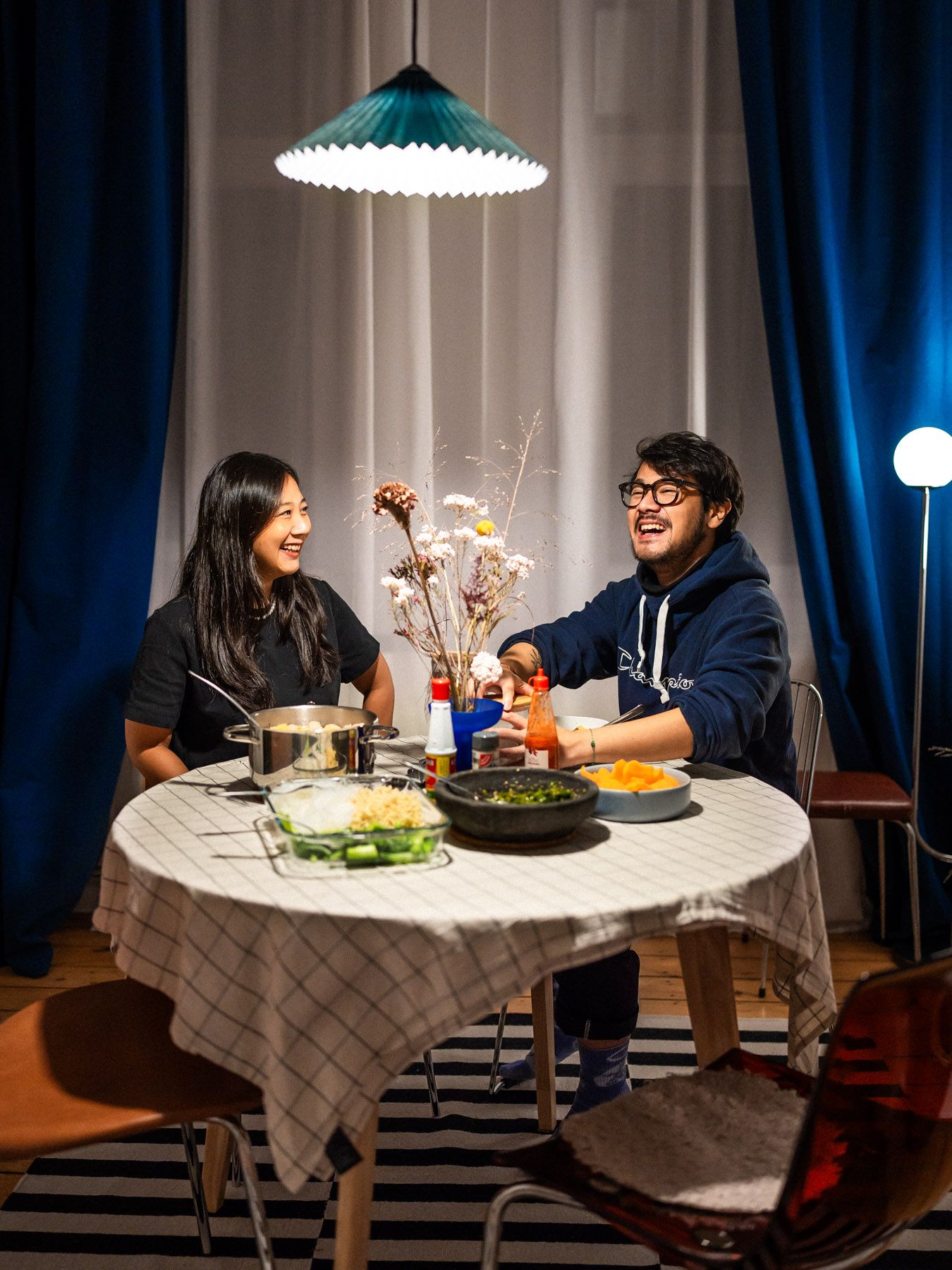
Nico's older sister Connie is also studying for her master's degree in Germany. The two of them often meet up for dinner or coffee.

Nico tries to send about €100 of the money he earns at the café to his little sister in Indonesia every month. Due to the difference in purchasing power, this makes a big difference in the lives of his sister and his parents.
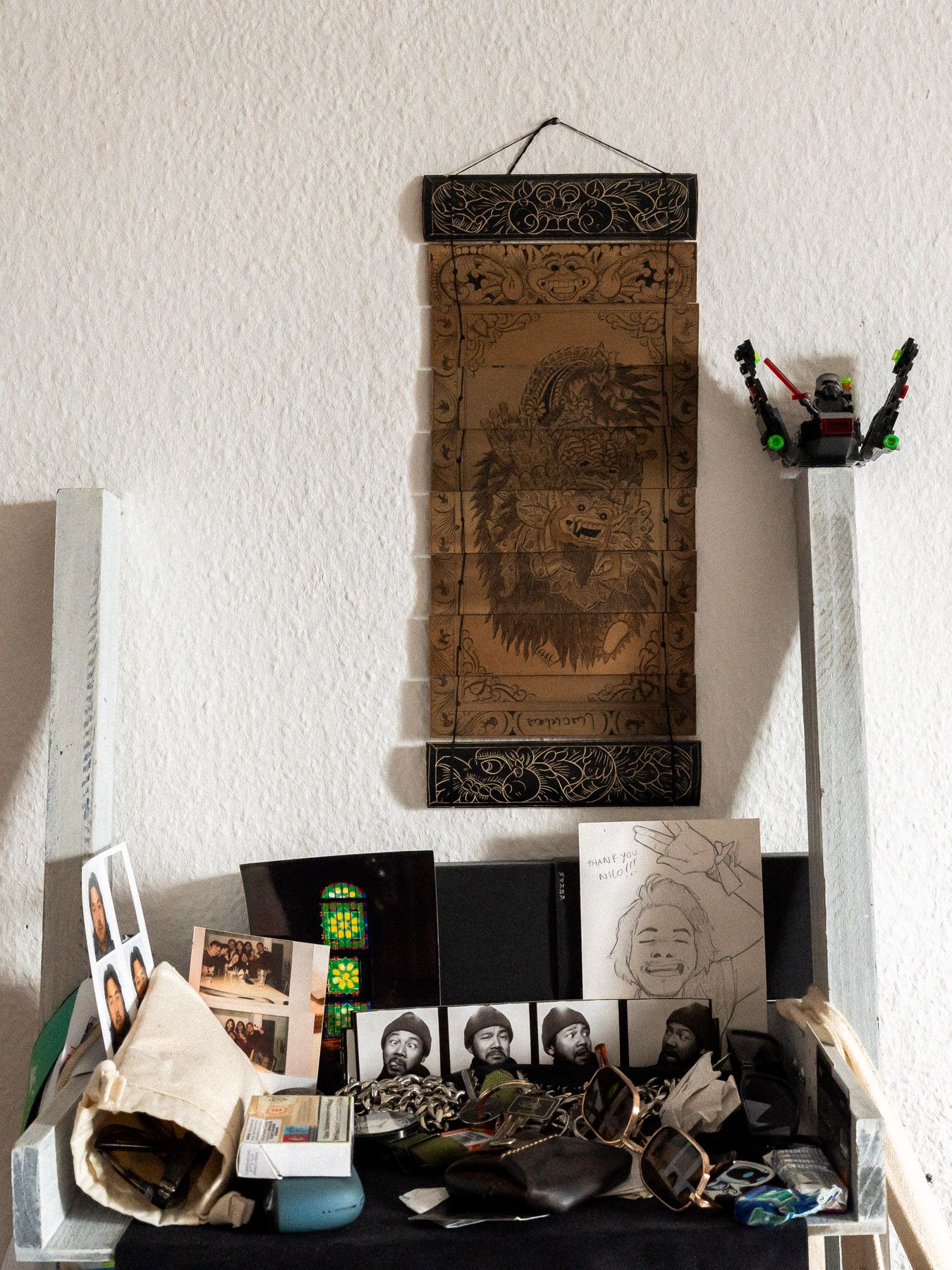
There are several personal items on Nico's shelf, including a piece of art by an Indonesian artist that he brought with him from his hometown. Nico explains that art and home are closely connected for him. He is happy to be able to give something back to his family.
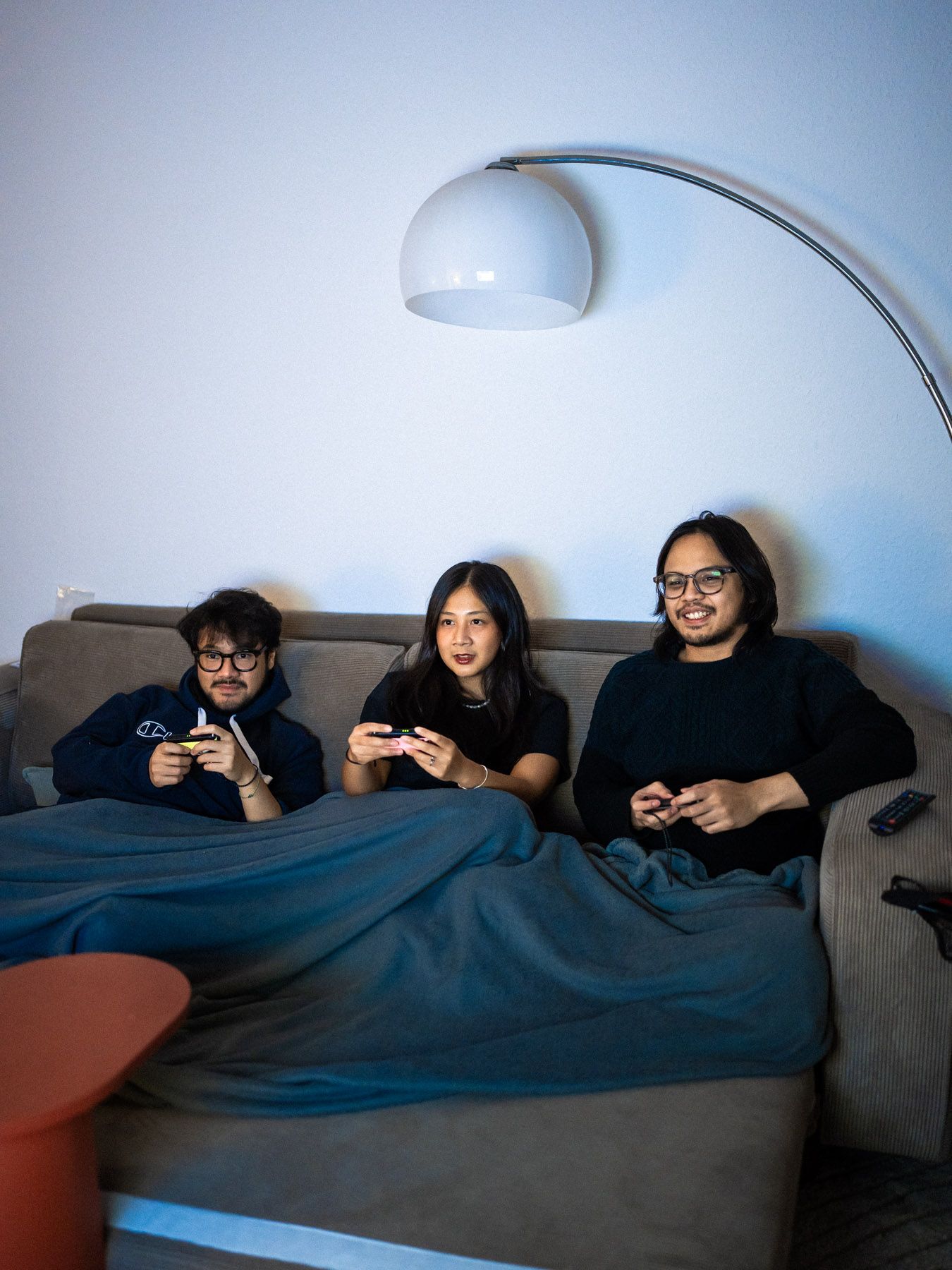
His sister Connie and her boyfriend Himly are Nico's family in Germany.